
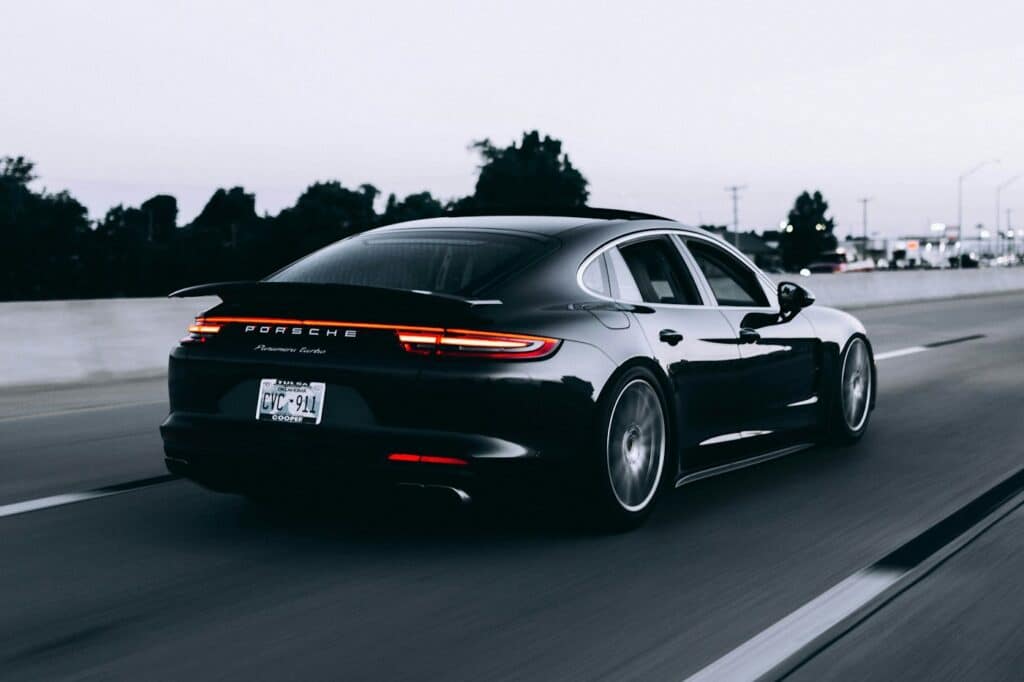
Texas heat is not a footnote for automotive film—it is the main stress test. If you are weighing a vinyl wrap for a daily driver, this guide focuses on how cast film behaves under North Texas UV, what prep actually prevents early failure, and how to care for the finish after install. At The Wrap Lab in Arlington, we scope wraps for real commuting miles, not showroom photos alone.
How automotive vinyl is built (and why the stack matters)
Quality vehicle wraps usually start with cast film and air-release adhesive. Cast vinyl is manufactured to stay dimensional on compound curves—mirrors, bumpers, and modern door contours—so you are not fighting wrinkles or overstretch on day one. Calendared films can look fine on flat fleet panels and still struggle on deep curves once summer heat softens the adhesive.
Many installs also include an overlaminate. That top layer is what takes UV, road grit, and wash abrasion. When a quote only names a color without the film family or laminate, you are comparing incomplete packages. Ask for brand, series, finish, and whether an overlaminate is included before you choose on price alone.
We keep film lots and install notes on file so warranty questions have a paper trail. That habit matters more in a climate where UV loads are high and parking lots stay baking hot through late afternoon.
Why Texas heat and UV change the install plan
Panel temperatures on dark paint can climb far above ambient air. Softened adhesive, rushed post-heating, or film pulled too thin at an edge is where lifting starts—usually at high-wash points, antenna holes, or deep recesses. Controlled shop installs give time to clean, stage, and post-heat correctly instead of racing weather on a driveway.
UV also fades cheap pigment and dulls unprotected film. An overlaminate and sensible parking habits (shade when you can, clean film before long sun exposure) do more for appearance than any marketing claim about “never fade.” We do not promise infinite life; we plan for five-plus years of daily use when film, prep, and care line up.
- Post-heat edges and recesses so film settles before the first heat wave.
- Avoid understretching into deep pockets—thin film fails first in Texas summers.
- Plan cure time before aggressive washing or any coating over wrap.
- Tell us about existing ceramic coatings or PPF so sequencing stays correct.
Finish options: gloss, satin, matte, and texture
Gloss wraps behave closest to paint for washing and water spotting. Satin and matte hide some orange peel but show fingerprints and mineral spots faster, so your wash routine should match the finish. Textured or specialty films can look striking and still need gentler mitt work—no abrasive polish, no aggressive foam brushes at the tunnel.
Decide finish early. Changing from gloss to matte mid-project is not a sticker swap; it is new material and labor. Bring inspiration photos and we will map them to films we actually stock and install, including chrome deletes and accent packages when a full color change is more than you need.
For a broader look at color-change coverage and partial wraps, see our Arlington vehicle wraps color-change guide. This article stays on durability and climate—use that one when you are choosing look and coverage.
Surface prep that prevents premature failure
Film sticks to clear coat, not to iron fallout, road film, or wax. Clay, iron remover, and tar cleanup before wrap day are not upsells; they are how adhesive bonds. We also document paint condition—swirls, chips, and prior bodywork—because wrap follows the panel. Deep scratches still telegraph under thin film.
Hardware scope matters too. Badges, antennas, mirrors, and door jambs add time. Skipping them can look unfinished from the sidewalk. A written estimate should say what is wrapped, what is painted around, and what stays OEM.
Washing and maintenance after install
Fresh wrap needs a short cure window before high-pressure washes. After that, pH-balanced soap, clean mitts, and soft drying cloths keep edges happier than harsh detergents. Avoid aiming a pressure tip under seams. If you want a ceramic coating over wrap, wait for our go-ahead and use products compatible with vinyl—many paint coatings are too aggressive.
Edge lifting almost always starts small. If you see a raised corner in the first week, call us. Early reseating is far easier than waiting until dirt works under the film. Store the car dirty in full sun only when you must; a quick rinse before a weekend of parking outside slows haze and spotting on matte finishes.
Vinyl wrap vs. paint: a real comparison
Paint is permanent color and, when done well, can last the life of the car. It also means sanding, spray booth time, and a longer out-of-service window. Wrap is a film layer: reversible on healthy clear coat, faster to install for many full color changes, and flexible if you want to try a look before committing forever.
| Decision factor | Vinyl wrap | Full paint |
|---|---|---|
| Reversibility | Usually removable when paint underneath was sound | Permanent color change |
| Shop time | Often days, depending on coverage and prep | Often longer with spray and cure cycles |
| Surface protection | Film takes gravel rash first; paint underneath stays cleaner | Clear coat takes the hits directly |
| Finish variety | Strong for matte/satin/specialty looks | Unlimited custom mix; more labor for specialty effects |
| Best when | You want a changeable look or brand graphics | You need permanent OEM-style color or major body repair |
Wrap is not a fix for failing clear coat. If paint is peeling, we will say so and recommend correction or paint work before film. Honest sequencing protects both the wrap and your wallet.
What to expect on install day
Our sequence is inspect, document, prep, pattern, install, post-heat, and multi-light quality check. You can see the full workflow on our process page. Material choices should match how you drive—highway miles, weekend shows, or commercial branding—not a generic “one film fits all” package.
Explore related options on our services page if you are stacking tint, PPF, or ceramic with a wrap. Sequence matters; we will tell you what should go first.
Frequently asked questions
Is vinyl wrap waterproof?
Installed correctly, wrap sheds water. Standing water under poorly sealed edges is still a risk—quality edge work and wash habits matter more than any waterproof marketing line.
Can a damaged panel be repaired?
Small panels can often be replaced. Large damage may need a section re-wrap so color and texture match neighboring film.
Does wrap void a paint warranty?
Policies vary by OEM and dealer. We document paint condition before install and keep your estimate so you have a record of what was already on the car.
How long should a Texas daily-driver wrap last?
With cast film, proper prep, and sane care, many daily drivers look strong for years. Extreme sun parking, abrasive washes, and neglected edge lifts shorten that window.
Talk through your wrap plan
Ready to discuss vinyl wrap for Texas heat and UV? Call (469) 727-0537 or Contact Us. Hours are Monday–Saturday 10:00 a.m.–7:00 p.m.; closed Sunday. Start with photos and your finish goal—we will tell you what the film and prep plan should include before anyone cuts material.